Ireland’s Food Story Starts With the Stew and the Soda Bread. It Does Not End There.
Most clients arrive in Ireland hoping for stew, soda bread and a pint, and they should have all three.
Done properly, with beef raised in the field down the road and bread still warm from a farmhouse oven, those three are worth the trip on their own. What surprises people is how much now sits around them.
In February 2026, the MICHELIN Guide Great Britain and Ireland held its annual ceremony in Dublin for the first time in the award’s history. Ireland now has 25 starred restaurants, including five at two stars. Galway’s Kai holds a Green Star for sustainable practice.
None of that is what sells an Irish food tour, though. The reason food works as a theme in Ireland is simpler, and it sits outside the restaurants entirely.
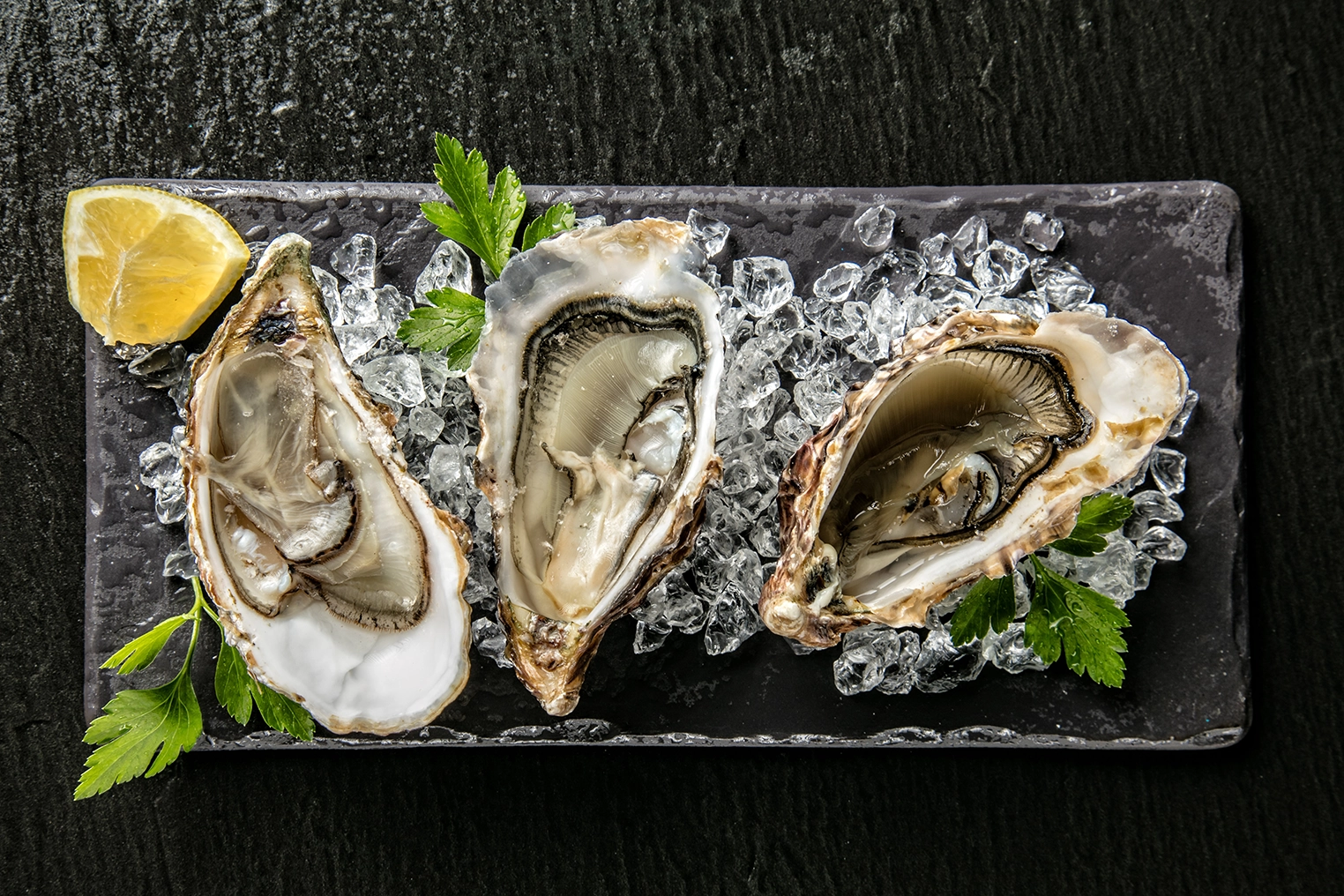
Ireland has made food a national priority
Ireland now has a national Culinary Tourism Strategy, and it is moving into delivery. The strategy runs to 71 proposals. Fáilte Ireland and Tourism Ireland are both central to it, and are aligning their corporate plans for 2026 to 2028 around it.
The headline target is a 50 percent increase in overseas visitor revenue, to €9 billion, within five years. Food is one of the main levers identified to get there.
The numbers behind that decision are worth knowing when you are building a case for a food-led itinerary:
Food and beverage already accounts for 34 percent of total visitor spend in Ireland
81 percent of visitors surveyed rated the quality of the food on offer as very good
Yet most overseas visitors still arrive with modest expectations of Irish food, and name scenery as their main reason for coming
That last point is the interesting one. There is a gap between what Ireland delivers and what travelers expect before they arrive, and most of them only discover it once they are there. An itinerary that leads with food closes the gap earlier.
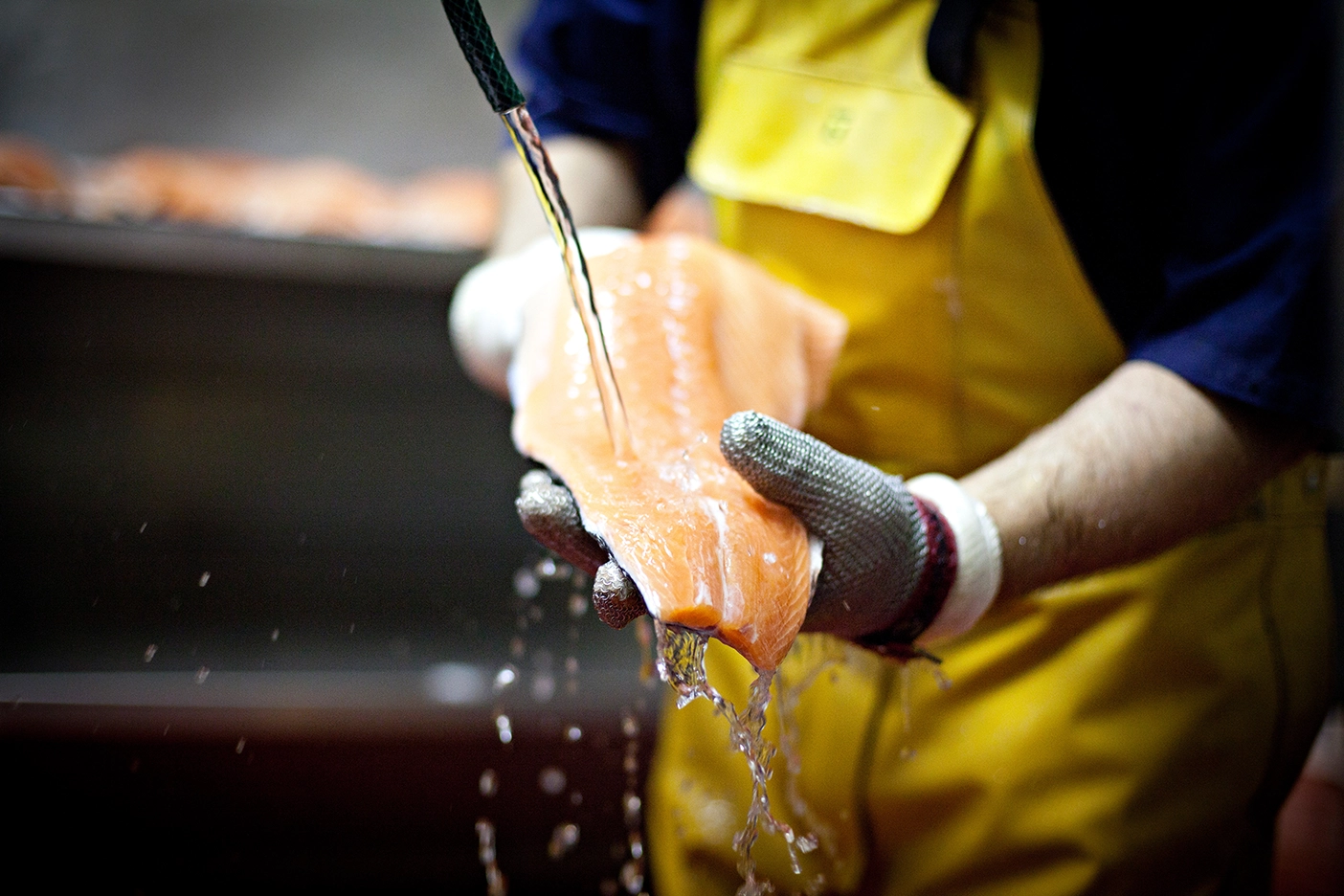
Why food works in Ireland and not everywhere
Plenty of destinations sell food tours. Most of them sell restaurants. Ireland is unusual because the interesting part of the story is upstream of the plate.
The island is small, which means the distance between a producer and a dining room is often measured in miles rather than supply chains. A grass-fed herd, an oyster bed, a smokehouse, and a cheesemaker can all sit within an afternoon’s drive of each other. On a coach tour, that matters more than any star rating.
It also means the producers themselves are accessible. The person who churns the butter will show your clients how to churn it. The farmer who raises the goats will hand them the cheese. These are small operations, not visitor centers with a scripted tour and a gift shop at the exit.
The Irish Government strategy names exactly this as the national strength: fresh local ingredients, seafood, grass-fed meats, artisan cheeses, and seasonal produce, with a growing body of chefs who build menus around them.
For a North American client, there is one more layer. Many of them are tracing a family connection, and food is the most direct route into that. A loaf of soda bread made by hand in a farmhouse kitchen in County Cork lands differently than a photograph of the same thing in a museum.
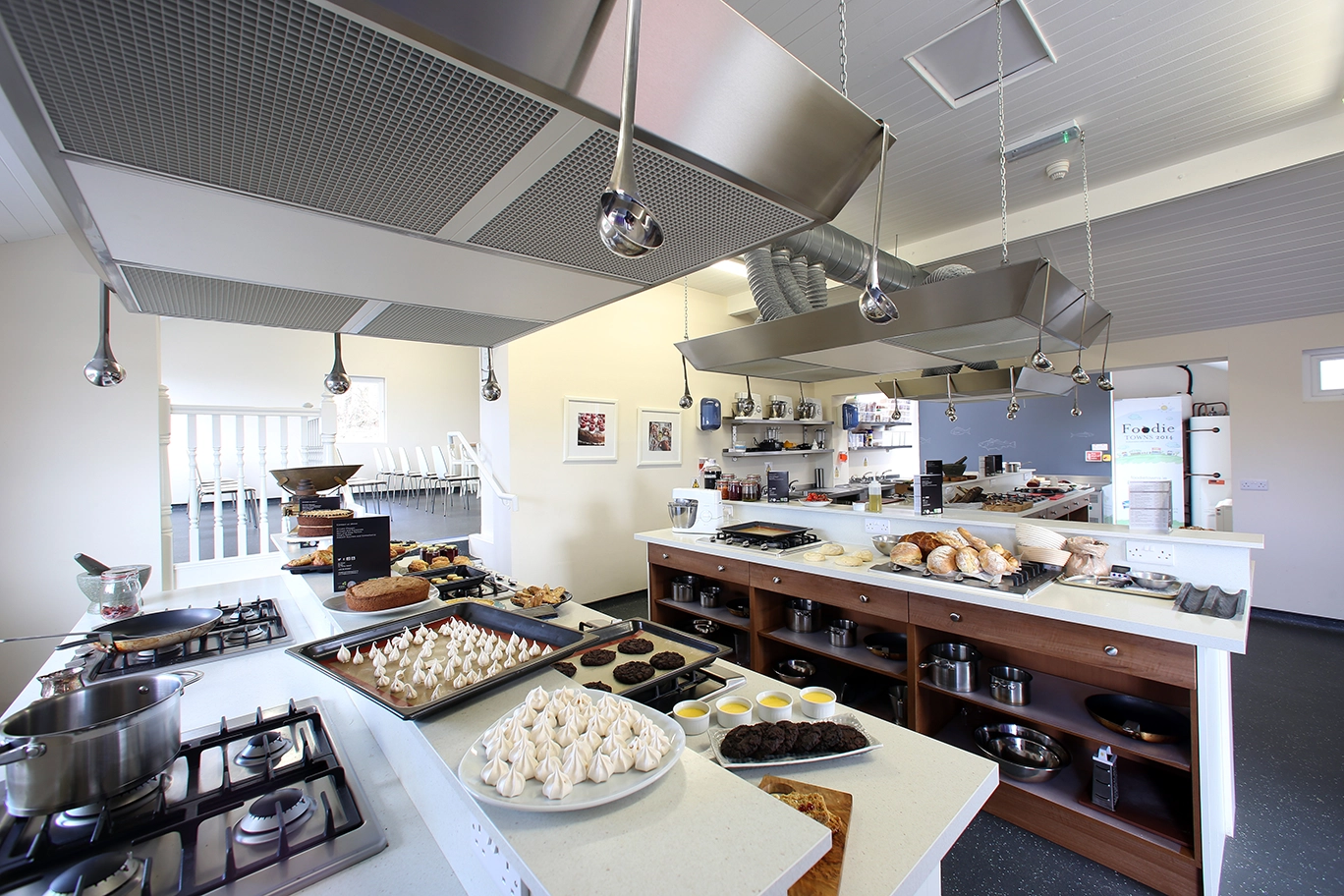
What a food-led Ireland itinerary actually contains
The mistake with culinary touring is to build it as a sequence of meals. Clients do not remember meals. They remember doing something with their hands, and meeting the person who normally does it.
A food itinerary that works in Ireland tends to pull from five kinds of stop:
Producers you can walk into. Ummera Smokehouse in West Cork. St Tola Goat Farm in County Clare. A Connemara oyster farm where the beds are visible from the shore.
Hands-on sessions. Soda bread making and butter churning at Molly Gallivan’s. A baking demonstration at a farmhouse kitchen, where your clients leave with flour on their sleeves.
Markets. Cork’s English Market has been trading since 1788 and is still a working market, not a heritage exhibit. An hour of free time there does more for a client’s sense of the place than most guided walks.
Drink with a story attached. Old Bushmills in County Antrim. The Guinness Storehouse in Dublin. Both are familiar names, which is useful: they anchor the unfamiliar stops either side of them.
Food as the social event. A musical lunch. A Celtic night. An evening of Irish music and dance with the meal built into it, rather than bolted on afterward.
The scenery does not disappear when you lead with food. The Cliffs of Moher, the Ring of Kerry, and the Giant’s Causeway all sit naturally on a route built around producers, because the producers are in the same places the scenery is.
That is the part worth saying to a hesitant client. A food tour of Ireland is not a trade-off against the Ireland they already wanted to see. It is the same country with a reason to stop.
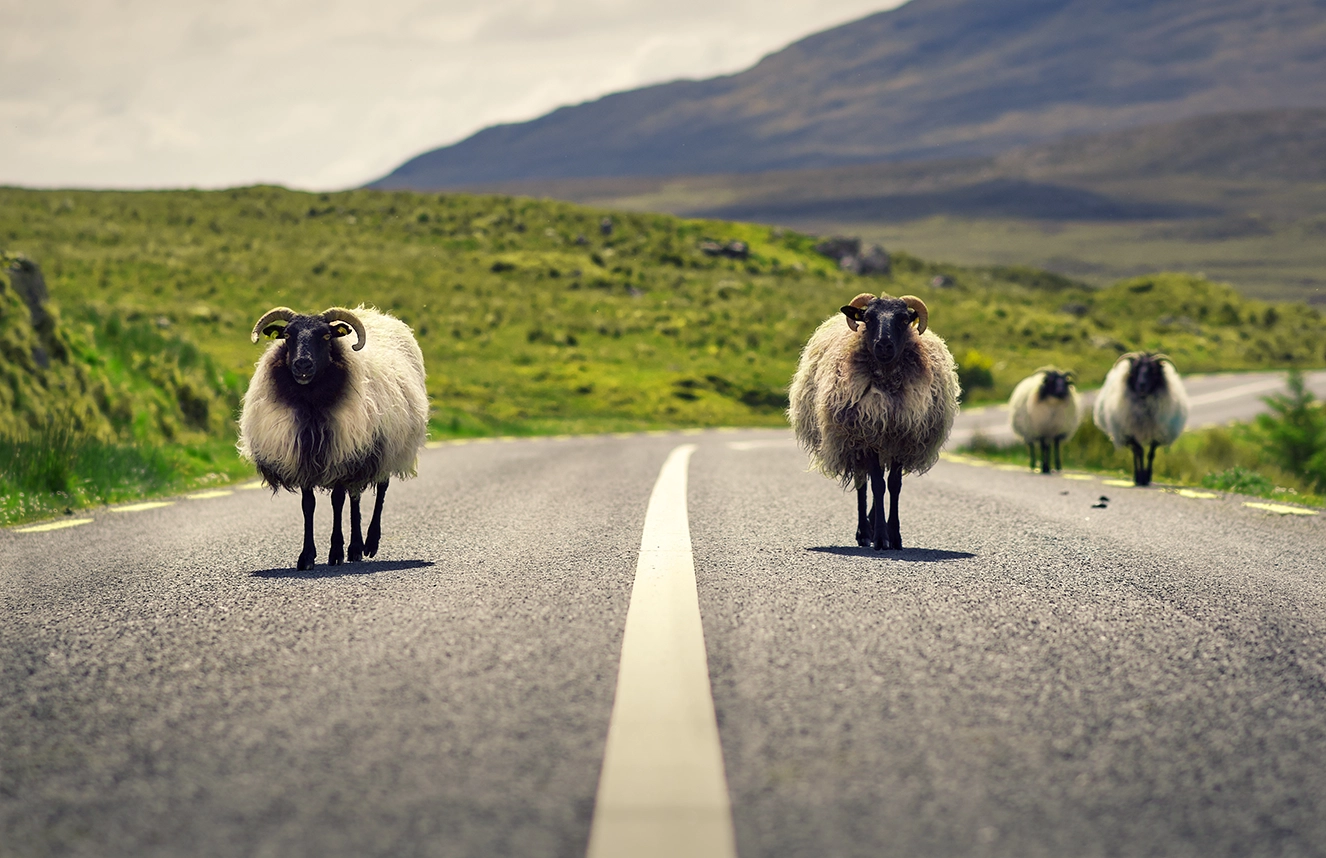
Who this sells to
Food-led Ireland is not a niche product sold to a niche client. It is a different way of framing an itinerary many operators already run. Four groups respond to it.
Repeat Ireland travelers. They have already seen the Cliffs of Moher. A theme gives them a reason to come back rather than move on to Scotland.
Multi-generational family groups. Food is one of the few activities that genuinely works for a twelve-year-old and a seventy-eight-year-old on the same afternoon.
Shoulder-season travelers. Producers, markets and farmhouse kitchens do not depend on the weather, which makes this a real April and October proposition.
Clients who describe themselves as foodies. A growing group, and one that tends to resist a standard touring pitch until it has a theme.
The shoulder-season point is worth dwelling on. Food experiences are largely indoor and largely weather-proof, which makes a culinary itinerary easier to run outside peak summer than a scenery-led one.
The product: Ireland Foodie Tour, 11 days and 10 nights
Our own version of this runs Dublin to Cork, Killarney, Galway, Sligo, Derry and Belfast, and back to Dublin.
It runs eleven days and ten nights, staying in three and four-star hotels, with airport transfers, coach, an English-speaking guide and all listed entrances and tastings included.
What is built into the route
Talk and tasting at Ummera Smokehouse, County Cork
Soda bread making and butter churning at Molly Gallivan’s, with lunch, entertainment, and an Irish coffee
Tour and cheese tasting at St Tola Goat Farm
A musical smoked salmon lunch at the Rathbaun Hotel
An old sod tour with a farmer at Dan O’Hara’s Homestead, followed by a baking demonstration and homemade lunch
Connemara oyster farm tour and tasting
Tour and tasting at Old Bushmills Distillery
Irish baking at Tracey’s Farmhouse Kitchen
The Guinness Storehouse, followed by an Irish evening with live music and dance
A guided walk through Dublin’s hidden food spots on the final full day
Alongside the food, the itinerary carries the Ireland your clients already want: the Cliffs of Moher, the Ring of Kerry, Muckross House, the Giant’s Causeway, Kylemore Abbey, the Derry city walls, the Ulster American Folk Park, and EPIC The Irish Emigration Museum.
Talk to us
The itinerary can be adapted by length, season and group size. If you are putting together a 2027 Ireland program, we are happy to talk through how a food theme might sit within it.