When clients start asking what’s next after the classics, the Baltics are the answer. They have done London, Dublin and Oslo. They loved every minute. And now they are asking: what is next?
The Baltic States are an increasingly compelling answer. Estonia, Latvia, and Lithuania — three small countries on the eastern shore of the Baltic Sea that offer everything travelers go to Europe for: medieval old towns, Baroque palaces, UNESCO World Heritage Sites, and stunning natural landscapes. But they come with something that feels increasingly rare in European travel: the thrill of genuine discovery.
The Appeal: Familiar Yet Undiscovered
There is a growing appetite among experienced travelers for destinations that feel fresh. Places they can’t already picture from Instagram, places where they will come home with stories their friends haven’t heard before. The Baltics fit that brief perfectly.
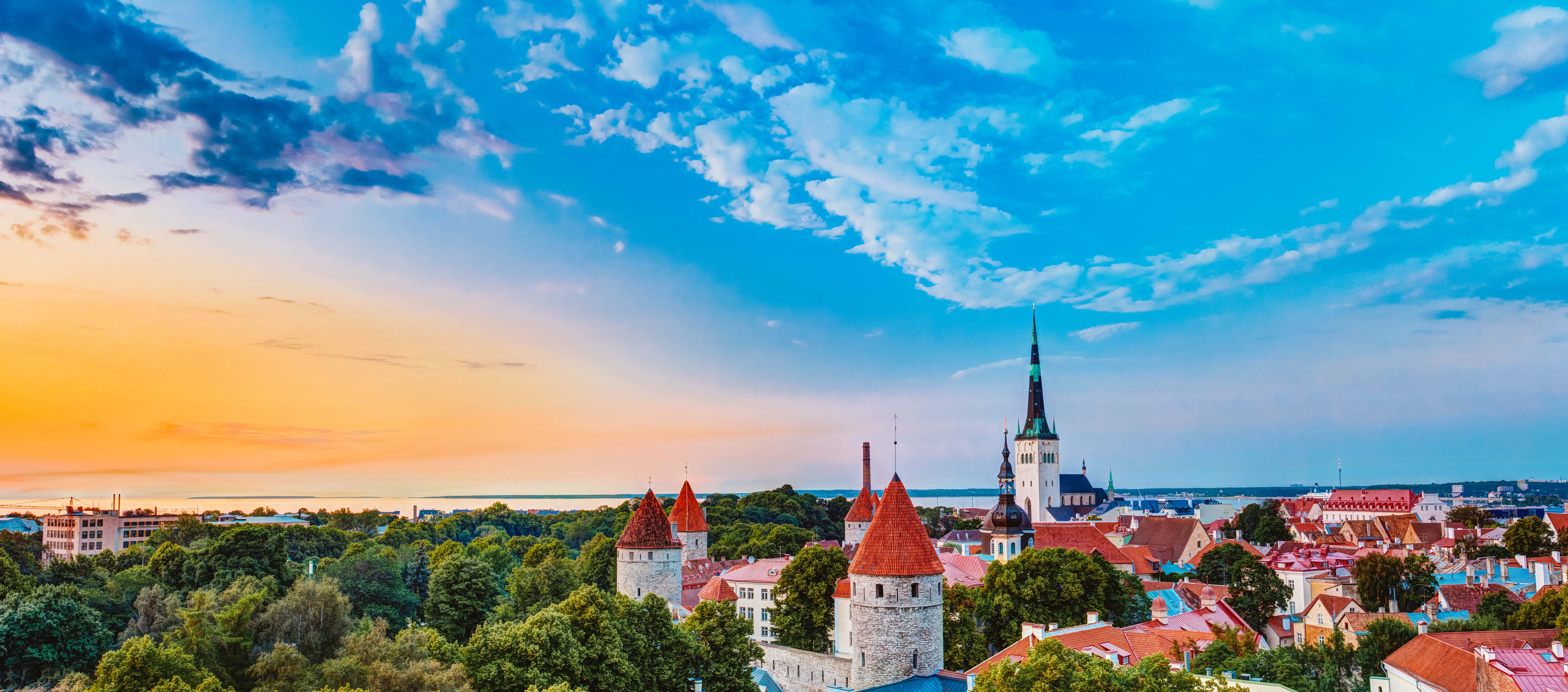
Tallinn’s old town is as beautifully preserved as any in Europe. It is a medieval gem with city walls, watchtowers, and a 15th-century pharmacy that still operates today. Riga has one of the richest collections of Art Nouveau architecture in the world. Vilnius has a Baroque old town that rivals Prague. And between the three capitals lie national parks, island castles, Baroque palaces, and Baltic Sea coastline that most travelers have never even heard of.
The Baltics feel European enough to be familiar with cobblestone streets, café culture and Gothic churches but different enough to deliver that sense of wonder that seasoned travelers are always chasing. For advisors, that is a powerful combination. It is an easy sell for clients who already love Europe, but a genuinely new experience for them to discover.
Three Countries, Three Capitals, One Seamless Trip
One of the things that makes the Baltics such a strong sell is the variety packed into a relatively compact region. In 9 to 11 days, your clients can visit three countries, three capital cities, multiple UNESCO sites, and a diverse range of landscapes from dense pine forests and tranquil lakes to sandy Baltic Sea beaches and dramatic coastal cliffs.
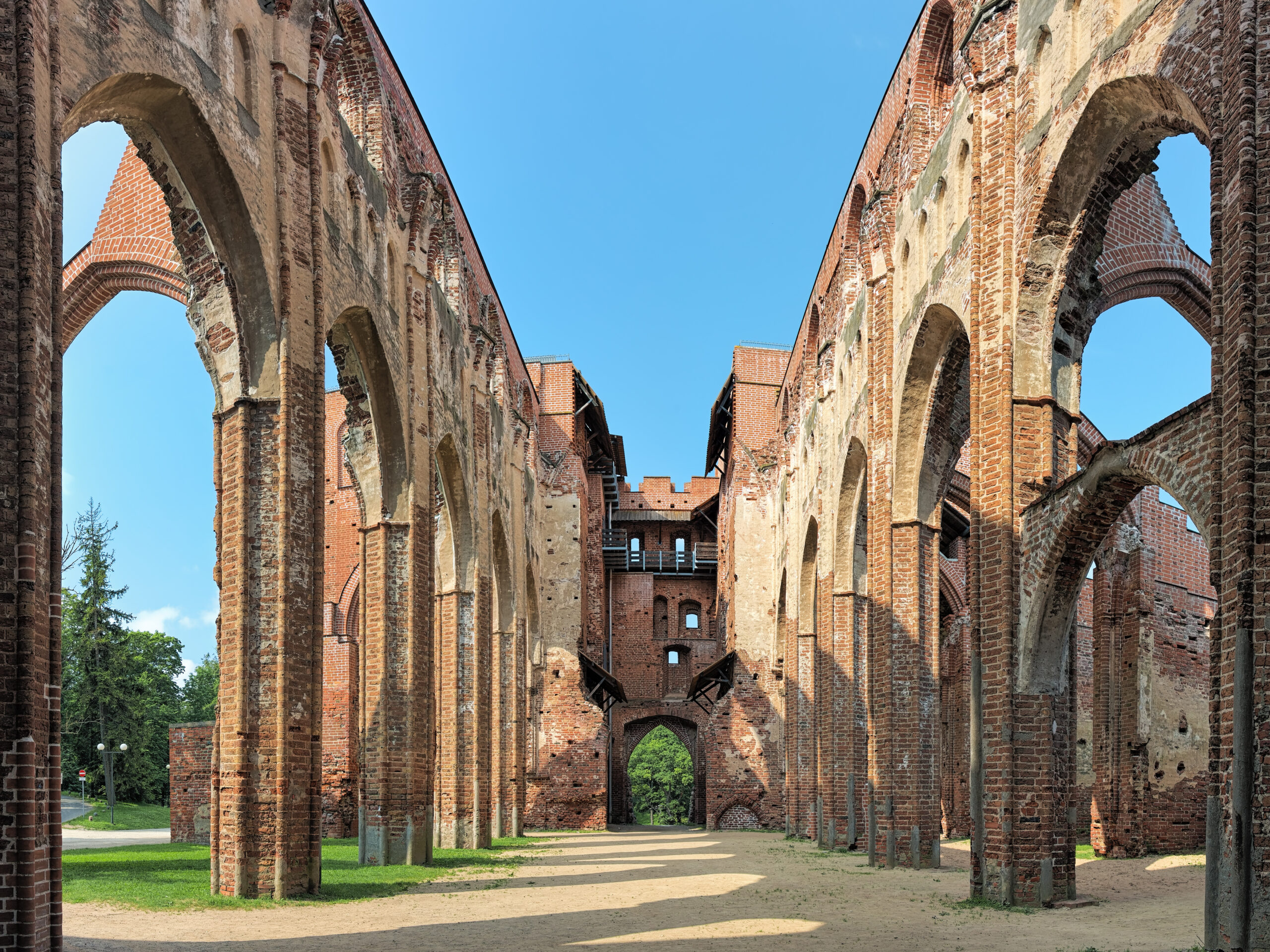
Estonia
Tallinn’s UNESCO-listed medieval old town is the star attraction, but Estonia has much more to offer: Lahemaa National Park with its 18th-century manor houses and forest trails, the university city of Tartu (European Capital of Culture 2024), and the summer resort of Pärnu with its sandy beaches and spa culture. Estonia also has a thriving digital culture. It is one of the most tech-forward countries in the world, giving its cities a fascinating blend of medieval and modern.
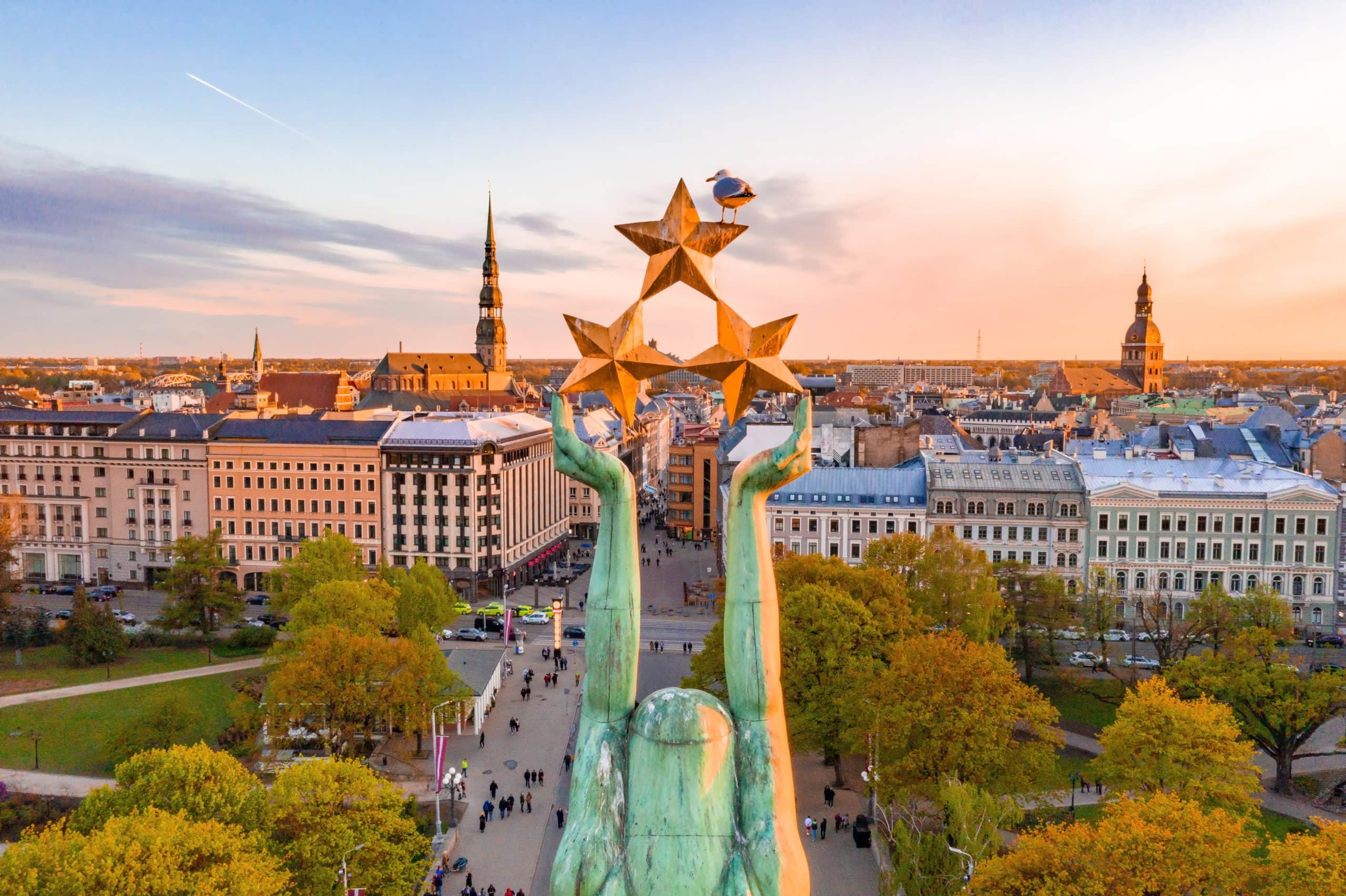
Latvia
Riga is the largest of the three Baltic capitals and arguably the most architecturally diverse. Its Art Nouveau district is one of the finest in Europe, and its medieval old town is a UNESCO World Heritage Site. Beyond Riga, the Gauja National Park, nicknamed “Latvian Switzerland”, offers castle ruins, forested valleys, and adventure activities. The Rundale Palace, often called the “Versailles of the Baltics,” is a Baroque masterpiece surrounded by formal French gardens. And the seaside resort of Jurmala, with its elegant wooden villas and sandy beaches, makes for a perfect half-day escape from the capital.
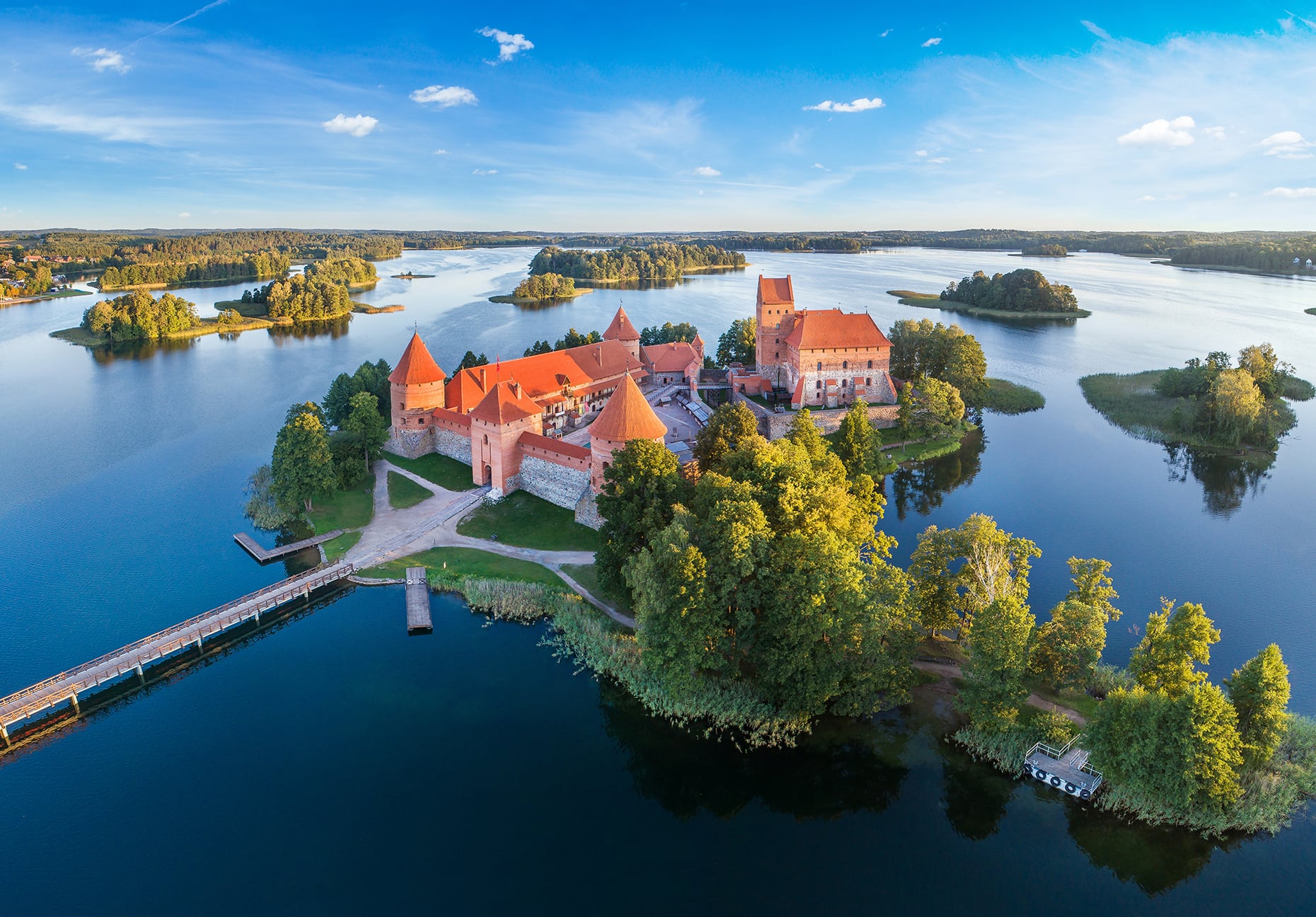
Lithuania
Vilnius has a Baroque old town that is a UNESCO World Heritage Site and one of the largest surviving medieval old towns in Northern Europe. The city’s bohemian Uzupis district, a self-declared “independent republic” of artists and creatives, is unlike anything else in Europe. Outside Vilnius, the fairytale Trakai Castle sits on an island in the middle of a lake, and the Curonian Spit (a UNESCO site shared with Russia) is a narrow sand dune peninsula stretching into the Baltic Sea. The mysterious Hill of Crosses near Siauliai, dotted with thousands of symbolic crosses, is one of the most unique pilgrimage sites in the world.
Why 2026 Is the Year to Start Selling the Baltics
Demand for fresh European destinations is growing fast. Experienced travelers are actively looking to add new countries to their portfolios, and the Baltics sit at the top of that list, familiar enough to feel accessible, different enough to feel like a genuine discovery.
Air connectivity is improving. More direct and one-stop routing options from gateways to Tallinn, Riga, and Vilnius are making the Baltics easier to sell and easier to get to than ever before.
The Baltics offer exceptional value compared to Western Europe. Your clients get high-quality hotels, outstanding dining, and memorable experiences, at price points that make the trip feel like a smart choice as well as an exciting one.
English is widely spoken, especially among younger generations. That makes the region genuinely accessible for travelers, removing one of the most common hesitations clients have about venturing into lesser-known destinations.
The region is safe, well-connected, and easy to navigate. Whether your clients prefer the structure of a guided group tour or the freedom of a self-drive itinerary, the Baltics deliver a seamless travel experience with none of the logistical complexity of more off-the-beaten-path destinations.
How to Position the Baltics with Your Clients
The Baltics aren’t a replacement for Western Europe, they are the next chapter. For clients who have fallen in love with the continent and are ready to go deeper, the Baltic States offer a natural extension of that journey. Think of it as the destination for travelers who have graduated from the classics and are hungry for something they haven’t seen before.
The combination of medieval, Baroque, Art Nouveau, and Soviet-era architecture gives each city a layered, complex character that rewards curiosity. And the warmth of the people, combined with a food scene that is quietly becoming one of the most exciting in Northern Europe, means your clients will come home not just impressed, but genuinely surprised.
For groups, the region works exceptionally well as a guided tour. The distances between capitals are manageable by coach, and the density of cultural and historical sites means every day is packed with variety. For independent travelers, a self-drive itinerary offers the flexibility to explore at their own pace, with the freedom to stop at countryside castles, national parks, and seaside towns along the way.
Ready to Explore?
Whether your clients are drawn to medieval Tallinn, Art Nouveau Riga, or Baroque Vilnius, we have group tours, self-drive itineraries, and bespoke FIT options across all three Baltic States. Explore our destination pages to see what’s available and start building your clients’ next European adventure.
For more information, contact your dedicated Tour Partner Group representative or reach us at [email protected].