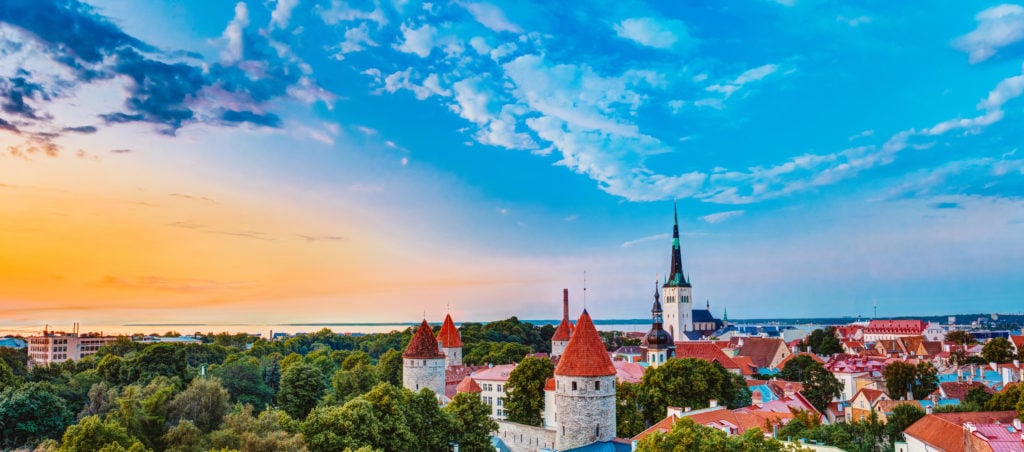
A few years ago I took my family to Húsavík, a beautiful coastal town on Skjálfandi Bay in northern Iceland, with every ambition of seeing some whales. It’s marketed — with good reason — as the whale watching capital of Europe. Extraordinary place. Dramatic bay. Mountains behind, Arctic Ocean ahead.
It wasn’t to be. We were slightly ahead of the season. The whales hadn’t arrived yet. On the flight home to Wales, I asked myself: Where do these animals actually go on their migration? Upon landing back in Wales, I opened my laptop and started digging into the migration — tracing exactly where these animals travel, and when
What I found changed how I think about the destinations we operate in.
The migration: one of nature's great journeys
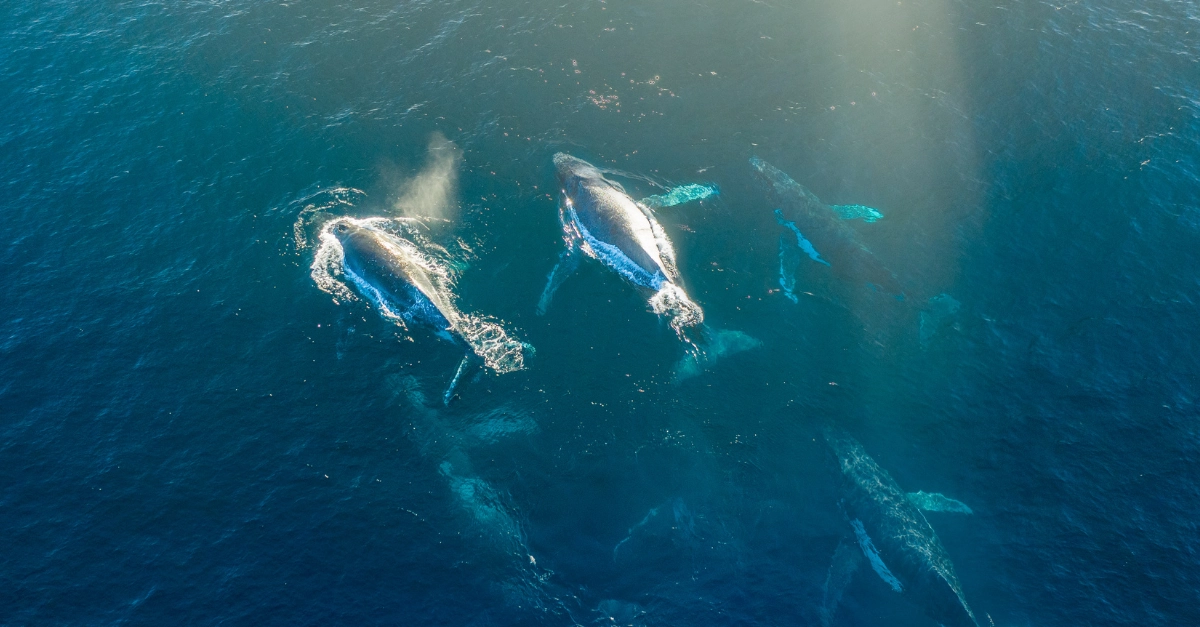
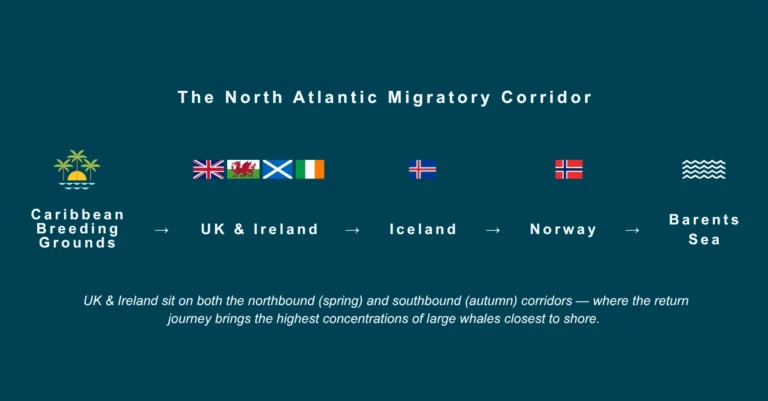
Every year, North Atlantic humpback whales undertake one of the longest migrations of any mammal on earth. They leave their breeding grounds in the warm, shallow waters of the Caribbean — where they have spent the winter months mating and calving, eating almost nothing — and begin swimming north.
The destination: the cold, krill-rich feeding grounds of Iceland, Norway, and the Barents Sea. A journey of up to 10,000 kilometres each way, made twice a year, every year, across an entire lifetime that can span 80 to 90 years.
They navigate using the Earth’s magnetic field. They follow temperature gradients in the water. And the males sing — producing complex, evolving compositions of such length and intricacy that marine biologists classify them with the same structural terminology used for human music: units, phrases, themes, songs. A full humpback song can last up to 33 minutes, and is repeated continuously for hours.
The whales sing their way up the “migration corridor” and back again. Every spring. Every autumn. This corridor passes directly by the majority of the destinations we operate in.
The science: a formally identified corridor
This isn’t a romantic approximation. It’s documented science.
The COMPASS project — a multi-year EU-funded research programme — formally identified a North Atlantic humpback migratory corridor running through the waters off Northern Ireland, Ireland, and Scotland. Researchers detected humpback song at acoustic monitoring sites at Malin Head in County Donegal and along the northern Irish coast — the acoustic signature of animals moving through on both the northbound (spring) and southbound (autumn) passage.
Separately, photo-identification research by the Irish Whale and Dolphin Group has matched individual humpbacks between Irish waters, Iceland, and as far south as their Caribbean breeding grounds — confirming that the same animals are making the full journey and stopping off along the way.
The UK is no different. At least 28 cetacean species have been recorded in British waters. The Celtic Sea, the Irish Sea, and the waters off western Scotland sit at the confluence of several major current systems, creating exactly the kind of cold, productive, prey-rich habitat that whales are drawn to.
Where to go and when: destination breakdown
ENGLAND
Best for: June – October
Species: Minke Whale, Fin Whale, Humpback, Common Dolphin
Cornwall and Devon sit at the mouth of the Celtic Sea, where Gulf Stream and Atlantic currents meet. Minke whales and common dolphins are regularly recorded off the Cornish coast from summer onwards, and humpback sightings have increased significantly in recent years as North Atlantic populations recover.
Wildlife boat trips operate out of Penzance and Falmouth, and the Lizard Peninsula is one of England’s best land-based watching spots. For clients on a broader England itinerary, a day or two on the Cornish coast adds a wildlife dimension most would never think to look for.
Wales
Best for: May – September
Species: Bottlenose Dolphin, Minke Whale, Fin Whale, Sei Whale, Orca
Cardigan Bay is home to over 100 resident bottlenose dolphins — one of Europe’s largest permanent populations. Pembrokeshire offers the most reliable whale watching in Wales, with June the peak month for Minke, Sei, and Fin whales.
For those who’d rather stay on land, the clifftops at Ramsey Sound and the Llŷn Peninsula are among Britain’s finest spots for land-based watching. The Welsh coast pairs naturally with wider touring — Snowdonia, the Brecon Beacons, the Wye Valley — making wildlife one compelling strand of a broader itinerary.
Scotland
Best for: June – September
Species: Minke Whale, Orca, White-Beaked Dolphin, Harbour Porpoise, Basking Shark
Scotland sits between the UK/Ireland corridor and the high northern destinations — and its wildlife is frequently underestimated. The Hebrides offer some of Britain’s best minke whale watching, the Moray Firth is home to one of only two resident orca populations in British waters, and the cold productive waters off the west coast also draw basking sharks in summer.
Combined with ferries, island landscapes, whisky, and history, it’s one of the most naturally rich touring destinations in the portfolio.
Ireland
Best for: September – December (peak)
Species: Fin Whale, Humpback, Minke Whale, Orca, Common Dolphin, Basking Shark
If Wales is a summer story, Ireland is an autumn one — and arguably the more spectacular of the two. As the southbound migration gets underway from September, large baleen whales hug the Atlantic seaboard and feed intensively before returning to Caribbean waters. Local operators simply call it Big Whale Season.
West Cork is the epicentre. Baltimore Harbour is the departure point for some of Ireland’s best wildlife boat trips. The signature species is the fin whale — the second largest animal ever to have lived, up to 23 metres and 70 tonnes — arriving in September and staying through December.
ICELAND
Best for: April – October
Species: Humpback, Minke Whale, Blue Whale, White-Beaked Dolphin
I’ll return to Húsavík. I haven’t given up on it. With the right timing, it delivers on its reputation of 97–98% sighting rates, Humpbacks from May, Blue whales from June. Skjálfandi Bay is one of the most consistently productive whale watching locations in the North Atlantic, and Iceland offers something no other destination can: the same wildlife spectacle set against midnight sun, volcanic coastline, and geothermal landscape.
For clients who want to follow the migration to its northern extreme, it’s the natural conclusion.
Norway
Best for: November to January (Orca season); May to September (general)
Species: Orca, Humpback, Sperm Whale, White-Beaked Dolphin
Norway is a different chapter entirely. Every autumn and winter, orca follow herring migrations into the fjords around Tromsø and the Vesterålen archipelago — pods of 20 or more, hunting cooperatively beneath skies that regularly produce the northern lights. Humpbacks follow the same herring in.
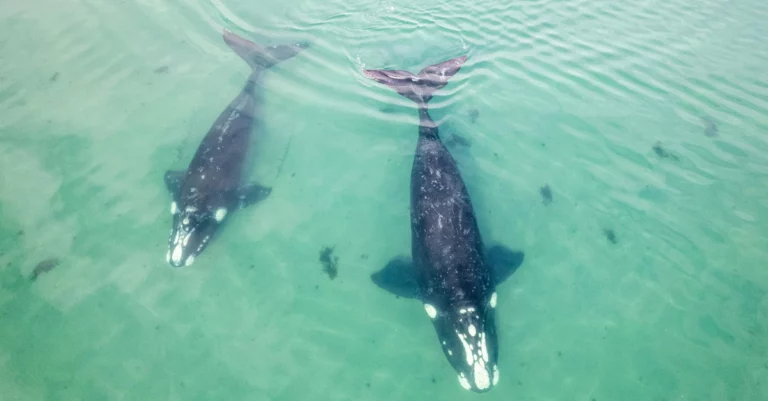
Do your Clients want the wildlife experience?
Researching this piece genuinely changed how I think about the destinations we operate in — and how we talk about them.
The migration corridor that runs through UK and Irish waters connects directly to Iceland, Norway, and the wider Arctic. It’s the same animals, the same journey, passing through nearly every destination in our portfolio. That’s an extraordinary story to be able to tell — and one the travel trade has largely left untold.
We work across the full corridor: Wales, England, Scotland, Ireland, Norway, Iceland, Greenland, and the Baltics. Whether your clients want to watch fin whales off the West Cork coast in autumn, follow the migration to Húsavík in summer, or chase orca through the Norwegian fjords in winter — we can build the itinerary around it.
The whales are already there. If you’d like to help your clients find them, get in touch.
Joe Kendall | [email protected]